In the history of fashion, some garments both decorate the figure and control it. A corset lifts the bust, narrows the waist, and straightens the back. A belt gathers loose fabric and divides the body into sections. Lacing tightens material into the desired line. A rigid bodice changes posture, while a narrow skirt changes the way a person walks.
Such clothing has always balanced beauty and discipline. It could emphasize status, hide age, and form a fashionable silhouette. It also had another side, connected with restriction and control. These garments often return to fashion. They have a style that a simple decorative item cannot provide.
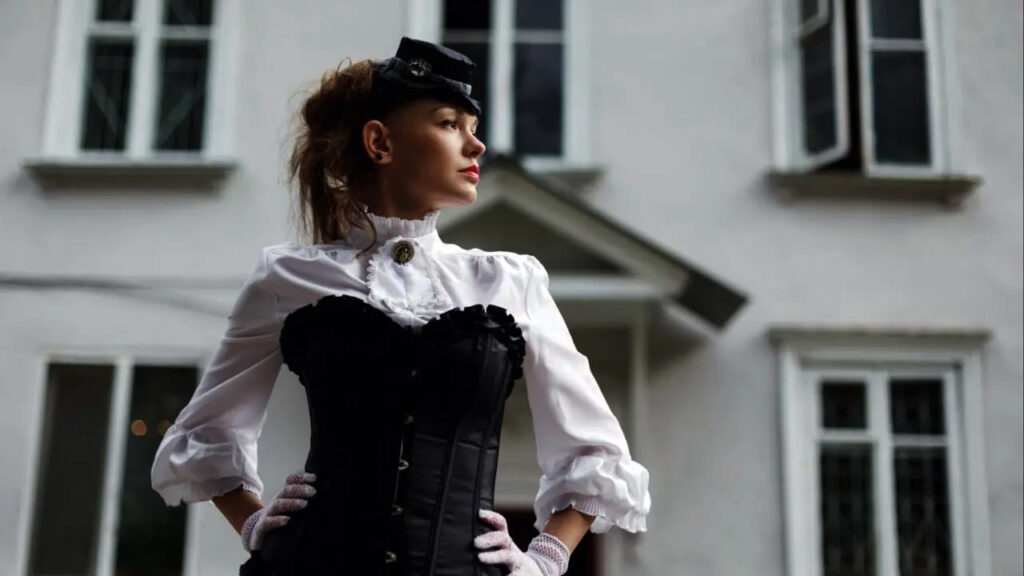
The Corset: A Rigid Bodice and Straight Posture
Before the 19th century, rigid supportive bodices were used in Europe. They shaped the torso, held the posture and created fashionable geometry. Even earlier, designs with a firm front insert appeared in Spain, made of wood, bone or another hard material. The front of the torso was supposed to look straight and composed.
In the 18th century, the silhouette was often built around the shape of the dress. The bodice supported the upper part, the wide skirt expanded the lower part, and the waist became the center of the composition. A woman in such clothing resembled a finished piece of architecture. The corset also had a practical side. It supported the bust, distributed the weight of a heavy dress and helped keep the back straight. Practicality quickly merged with the idea of propriety. The figure seemed controlled and socially understandable. A relaxed body looked almost like a breach of the rules. The corset created a shell through which a person interacted with the surrounding space.
The 19th Century: The Waist as a Fashion Center
Later, the corset became one of the main tools for shaping the silhouette. Metal eyelets, new fabrics and stronger details made it possible to tighten the corset more firmly. Fashion demanded a clear contrast between the bust, waist and hips.
At the same time, the corset did not remain an exclusively female accessory. In the early 19th century, male dandies also began to seek a narrow waist. Caricatures of the time mocked men who were being dressed by servants. A beautiful figure was not a natural gift, but the result of fabric, cord and someone else’s hands.
A few decades later, crinolines, bustles and complex understructures were added to the corset. A dress could have a flat front and a sharply protruding volume at the back. The body became a frame for a large social sculpture. A woman occupied more space and moved with greater difficulty. The appearance of grandeur was bought at the price of comfort.
There are paradoxes in this kind of fashion. Clothing seemed to elevate the figure, making it solemn, almost monumental. At the same time, it demanded constant discipline:
- one could not bend suddenly;
- posture had to be maintained at all times;
- restricted breathing had to become familiar.
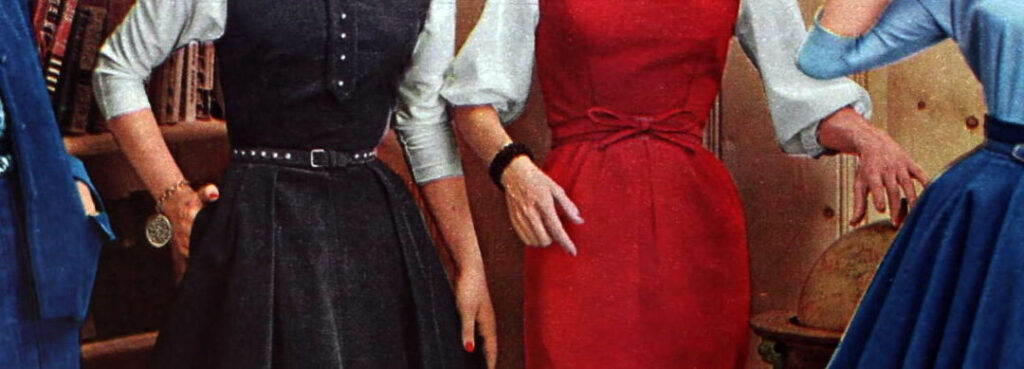
The Belt: A Small Detail with a Military Tone
Belts seem like simple objects that hold trousers, coats, or weapons. Yet in fashion, they rarely remain neutral. Make a belt wider, add metal to it, or fasten it over a coat, and it begins to sound more severe. Military uniforms gave fashion a special language. Harnesses, waist belts, buckles, and carabiners did not appear for beauty. They distributed the equipment’s weight and helped keep the necessary objects close at hand. Later, these details moved into civilian clothing and became signs of composure, risk and strength.
In the 20th and 21st centuries, belts are often used without any utilitarian purpose. They do not carry weapons or protect against the cold, but the memory of their functions remains. That is why a leather harness over a white shirt looks completely different from a necklace or scarf. It divides the body into zones and creates a feeling of readiness. Belts became most noticeable in combination with:
- trench coats and military coats;
- motorcycle jackets;
- punk clothing of the 1970s;
- stage costumes of pop artists;
- dresses with decorative lacing and fastenings.
Even a soft coat looks more structured with a belt. A wide belt with a heavy buckle turns the silhouette into something close to armor.
When Liberation Becomes a New Restriction
At the beginning of the 20th century, designer Paul Poiret opposed the corset and proposed a freer dress line. He is often associated with rejecting the rigid waist, but history takes ironic turns. Poiret also brought the hobble skirt into fashion, which restricted the step.
Fashion often transfers restrictions from one part of the body to another. Corsets disappear, and narrow skirts appear. The rigid bodice vanishes, and high heels take its place. This is how a new type of controlled form is born. It may look softer, lighter and more modern, but the principle remains familiar: the body adjusts to the external contour.
The Corset Moves Outside
In the second half of the 20th century, the corset stopped being only underwear. It moved to the surface. Punk, fetish fashion, club culture, and designer avant-garde turned it into an independent garment. Vivienne Westwood worked with fetish aesthetics in the 1970s, and by the late 1980s, she had made the corset part of refined outerwear. Jean Paul Gaultier developed another line: the corset as a provocation and an act of irony. His cone bra for Madonna became one of the most recognizable images in pop culture.
Modern designers use the corset in a more subtle way. It can be knitted, decorative or made with open lacing. Even a light version carries historical memory. We read not only the fabric, but also the whole chain of associations: discipline, seduction, theater, resistance. The modern corset is more often a gesture. It can be worn over a T-shirt or paired with jeans. This does not cancel debates about body standards and the pressure of fashion, but it changes the context.
Corsets, belts, and bound silhouettes are interesting because they decorate and remind us of discipline. In good fashion, this duality sometimes works more strongly than any ornament.