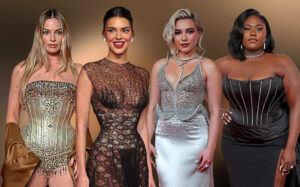
A luxury gown presented on a Paris runway, a tailored jacket created by a local atelier, and a trendy dress purchased from a global retail chain may all belong to the same category—clothing—, but they represent very different worlds. Fashion is not a single market; it is a layered ecosystem built around varying levels of craftsmanship, exclusivity, accessibility, and production scale. Understanding these distinctions helps explain why some garments are treated as wearable works of art while others are designed for mass consumption.
Understanding Product Tiers: From Luxury to Budget
Whether we are talking about fashion, technology, automobiles, or hospitality, most products and services naturally fall into different market tiers. At the top sits luxury, defined by exclusivity, craftsmanship, and prestige. The middle segments focus on balancing quality, accessibility, and brand value, while mass-market and budget categories prioritize affordability and broad availability. Although the details vary across industries, the same principles—scarcity, production methods, materials, and customer experience—are often used to determine where a product fits within the hierarchy.
Switzerland offers a particularly useful example because it is a country in which premium positioning and quality standards play a significant role across multiple industries. From watchmaking and hospitality to finance and leisure, Swiss consumers are accustomed to products and services that clearly differentiate themselves through quality, exclusivity, and experience. The entertainment sector in Switzerland reflects the same structure, with popular online platforms serving different audience segments, from mass-market offerings to more specialized and premium-oriented experiences – more information on the classification and characteristics of each can be found at www.syphon.ch. Fashion follows a remarkably similar logic, with each category occupying its own place between exclusivity and accessibility.
Custom-Made Clothing: Fashion Created for One Person
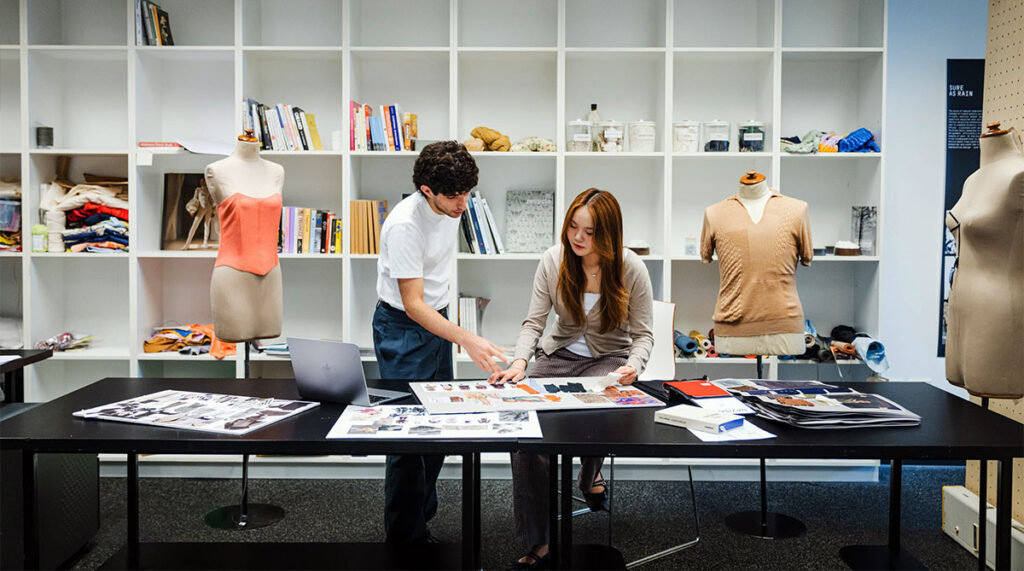
Long before global fashion houses dominated the industry, clothing was primarily made for individual clients. Today, custom-made garments continue to appeal to those who value personalization, fit, and individuality above all else. Key сharacteristics:
- Made for a specific client — created with a particular individual in mind rather than a broad audience.
- Individual measurements — tailored to the wearer’s exact proportions.
- Personalized design options — fabrics, details, cuts, and finishes can often be customized.
- Limited production — each piece is usually unique.
- Direct collaboration — clients may participate in the design process.
One of the most common misconceptions in fashion is that custom-made clothing automatically qualifies as haute couture. In reality, the two concepts are not interchangeable. A garment can be tailored specifically for a single client without belonging to high fashion. Independent ateliers, local tailors, and specialized designers regularly create bespoke clothing that prioritizes fit and personalization over artistic prestige.
The appeal of custom-made fashion lies in its ability to solve practical and aesthetic challenges simultaneously. Clients can choose fabrics, adjust silhouettes, and ensure a level of comfort that ready-made garments sometimes lack. For many consumers, custom clothing represents a more personal relationship with fashion, where the garment reflects individual preferences rather than seasonal trends. It occupies a unique position between everyday wear and luxury craftsmanship.
Haute Couture: The Pinnacle of Fashion Craftsmanship
Haute couture represents the highest level of fashion artistry. While the term is often used casually, it refers to a highly regulated segment of the industry with strict requirements and exceptional standards. Characteristics of Haute Couture:
- Exceptional hand craftsmanship — a significant portion of the garment is created by hand.
- Exclusive materials — rare fabrics and intricate embellishments are commonly used.
- Artistic approach — each design is treated as a creative statement.
- Extremely limited production — only a small number of pieces are produced.
- Strict industry standards — eligibility is governed by official French regulations.
Unlike custom-made clothing, haute couture is not simply about creating garments for individual clients. It is about preserving a tradition of craftsmanship that combines technical mastery with artistic innovation. Every detail, from embroidery to construction, reflects hundreds of hours of specialized labor. The result is often closer to wearable art than conventional fashion.
The category is also unique because it is officially protected in France. Only fashion houses that meet specific criteria and receive recognition from the relevant governing bodies can legally use the term “haute couture.” This exclusivity helps explain why couture collections receive global attention despite serving a relatively small number of clients. Their influence extends far beyond direct sales, shaping trends and reinforcing the prestige of luxury fashion houses.

Premium and Contemporary Fashion: Modern Luxury
Luxury has evolved significantly over the past two decades. Today’s consumers often seek products that combine exclusivity with responsibility, creating demand for a more contemporary interpretation of luxury fashion. What Defines Contemporary Luxury?
- High-quality materials — premium fabrics and construction standards.
- Limited collections — smaller production runs than mass-market brands.
- Sustainable production practices — greater attention to environmental and ethical concerns.
- Distinctive brand identity — emphasis on storytelling and authenticity.
- Accessible exclusivity — prestige without the extreme barriers of haute couture.
Many modern luxury brands focus less on conspicuous displays of wealth and more on craftsmanship, sustainability, and thoughtful design. Consumers increasingly evaluate garments not only by appearance but also by production methods, sourcing policies, and long-term durability. This shift has encouraged brands to embrace transparency and invest in responsible manufacturing.
Contemporary luxury also reflects changing attitudes toward exclusivity. Rather than producing one-of-a-kind garments, brands often create limited collections that remain relatively accessible while preserving a sense of rarity. The result is a segment that appeals to consumers seeking quality and individuality without entering the ultra-exclusive world of couture.
Ready-to-Wear (Prêt-à-Porter): Luxury for a Wider Audience
Ready-to-wear transformed the fashion industry by making designer clothing available to a much larger audience. It remains one of the most influential segments in modern fashion. Key features:
- Designer-created collections — developed by established fashion houses.
- Standard sizing — produced in conventional retail sizes.
- Seasonal releases — launched according to fashion calendars.
- Wider availability — sold through boutiques, department stores, and online platforms.
- Luxury positioning — maintains strong brand prestige.
Prêt-à-porter collections allow fashion houses to extend their influence beyond the small circle of couture clients. While these garments are produced in larger quantities, they still reflect the brand’s creative direction and design philosophy. Fashion weeks around the world primarily showcase ready-to-wear collections because they represent the segment most consumers can realistically access.
Compared to haute couture, ready-to-wear places greater emphasis on practicality and scalability. Garments must function within standardized sizing systems and production processes while maintaining a premium image. This balance between creativity and commercial viability has made prêt-à-porter the foundation of the modern luxury business model.
Mass Market Fashion
Mass-market fashion is designed to make clothing accessible to the widest possible audience. It prioritizes affordability, convenience, and the rapid distribution of trends. Main characteristics:
- Large-scale production — garments are manufactured in high volumes.
- Affordable pricing — designed for broad consumer accessibility.
- Trend-focused collections — inspired by current fashion movements.
- Global distribution — available through extensive retail networks.
- Broad consumer appeal — aimed at diverse customer groups.
This segment plays a crucial role in democratizing fashion. Consumers can access styles inspired by runway trends without paying luxury-level prices. Advances in manufacturing, logistics, and global supply chains have allowed brands to produce large quantities of clothing quickly and efficiently. As a result, fashion trends can spread across international markets within weeks.
Within the mass-market category, fast fashion and ultra-fast fashion have emerged as particularly influential models. Both focus on accelerating the journey from design concept to retail shelf, but ultra-fast fashion takes this approach even further through data-driven production and near-constant assortment updates. These strategies allow brands to respond rapidly to consumer demand, although they have also sparked ongoing discussions about sustainability and consumption habits.
Conclusion
Fashion is far more diverse than it may appear at first glance, encompassing everything from bespoke tailoring and haute couture to contemporary luxury and mass-market clothing. Each category serves different needs, budgets, and expectations, making it important to understand what distinguishes one segment from another. By recognizing these differences, consumers can make more informed fashion choices and better appreciate the craftsmanship behind the garments they wear.